How do chess pieces move?
White plays first, then each side takes one turn at a time. A capture removes the opponent’s piece and puts yours on its square, with one exception for pawns.


Pawn
A pawn advances one square straight ahead into an empty square. From its starting square it can move two if both squares are empty. It captures one square diagonally forward. On the farthest rank it is immediately promoted to a queen, rook, bishop or knight of the same colour.
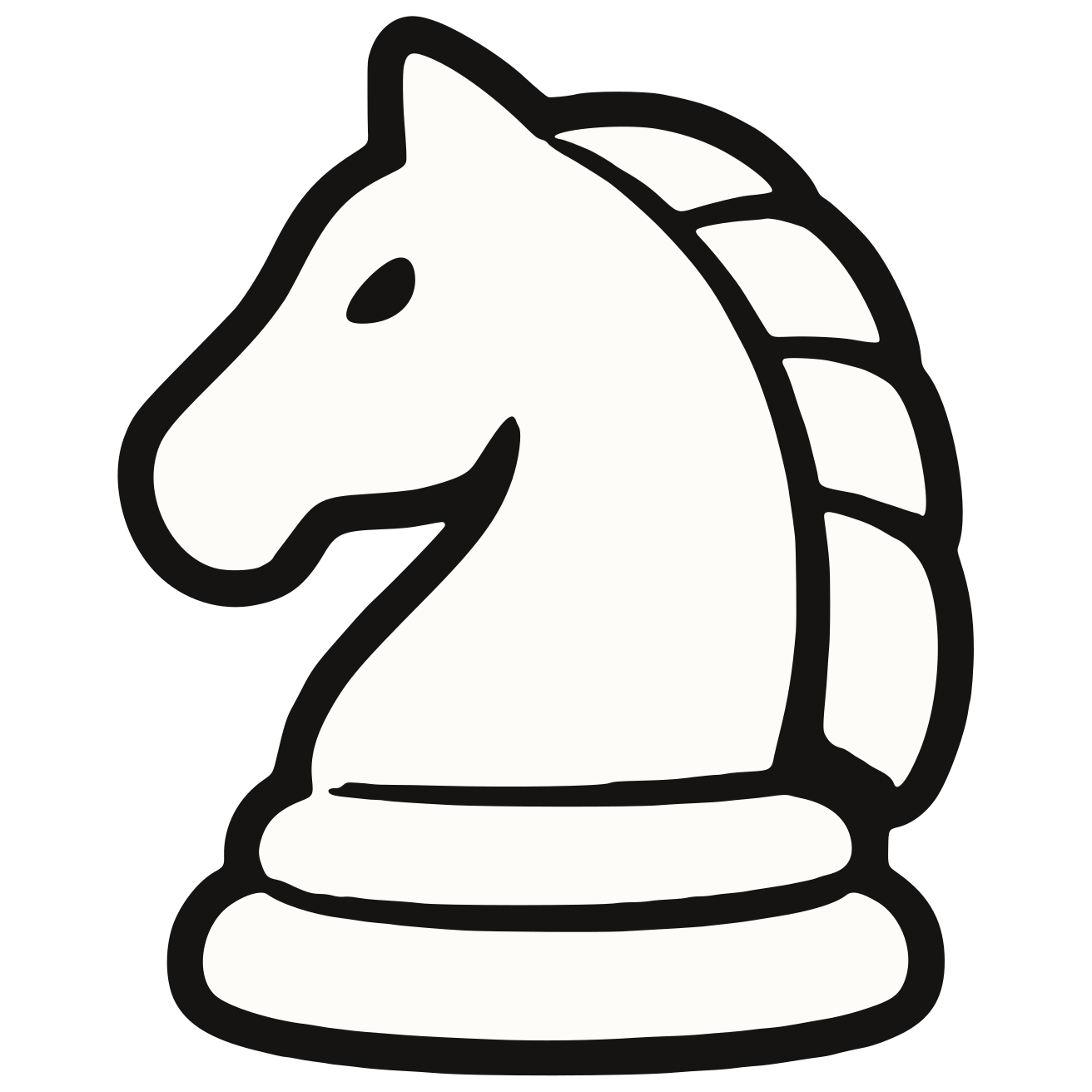
Knight
A knight moves two squares in one direction and one at right angles, making an L. It can jump over other pieces. It may land on an empty square or capture an opposing piece.
Bishop, rook and queen
The bishop moves along diagonals, the rook along ranks and files, and the queen can do both. Each can travel any distance along its line until it meets another piece. It can capture the first opposing piece on that line.
King and castling
The king moves one square in any direction, provided the destination is safe. To castle, the king moves two squares towards a rook and the rook moves to the square the king crossed. Both must be unmoved, the squares between them empty, and the king must start, pass through and finish on safe squares.
En passant
If an opposing pawn moves two squares from its starting square and ends beside yours, you can capture it as if it had moved just one. Your pawn moves diagonally to the square the other pawn passed over. You can only do this on your very next turn.
Quick quiz Which piece can jump over a crowded row of pawns?
The knight. At the start of the game, a knight can jump over its own pawns.
Play the right move
Jump a white knight to f3 from the starting position.
Exercise completed


